Content
Moderate alcohol consumption does not generally cause any psychological or physical harm. However, if someone who enjoys social drinking significantly increases their consumption or regularly consumes more than the recommended quantity, AUD may eventually develop. Medical treatment of drug addictions and alcoholism involves several evidence-based approaches. Treatment centers develop a customized plan for each patient depending on the severity of the alcohol use disorder and the presence of another co-occurring disorder.
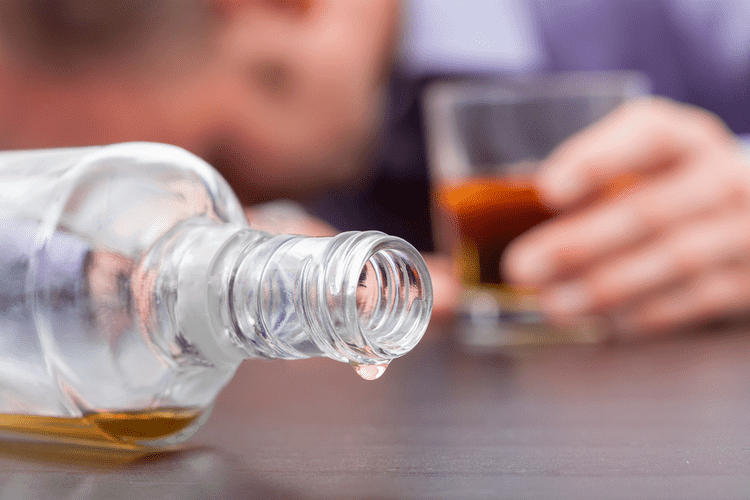
The Centers for Disease Control and Prevention reports excessive alcohol use leads to over 95,000 deaths in the U.S. every year and is the third-leading cause of preventable death in the country. The National Survey on Drug Use and Health reported (2019) that 14.5 million people aged 12 and older had an alcohol use disorder (5.3%). Alcohol consumption by an expectant mother may cause fetal alcohol syndrome (FAS) and pre-term birth complications. Once your doctor has made a diagnosis, they will be able to help you find the best treatment plan possible. Minnesota Department of Human Services
Learn how to get into treatment for alcohol or drug use.
What are some signs of alcohol use disorder?
You will work to restore relationships with your family and friends and people at your job or school. You will need to find meaning and happiness in a healthy lifestyle that doesn’t include alcohol. Watchful waiting is not a good choice for alcohol use disorder. If you have concerns about your drinking or the drinking of someone you care about, talk to your doctor. It’s not clear why some people develop alcohol use disorder and others do not. It often runs in families (genetic), but your drinking habits also are influenced by your environment and life situations, such as friends or stress levels.

It’s best not to try to control, excuse, or cover up the person’s drinking. Some medicines reduce withdrawal sober house symptoms during detoxification. Other medicines help you stay sober during the long process of recovery.
Support Our Mission
Behavioral therapies can help people develop skills to avoid and overcome triggers, such as stress, that might lead to drinking. Medications also can help deter drinking during times when individuals may be at greater risk of a return to drinking (e.g., divorce, death of a family member). Alcoholism is a medical condition that can cause harm and distress to the person, their loved ones, and the community. Recognizing the symptoms of alcoholism can help you identify the condition and get help for yourself or a loved one. Drinking alcohol is romanticized and poked fun at on television and the big screen, but anyone who has been around a problem drinker knows there is nothing sexy or funny about it. Alcohol addiction, alcohol abuse, and alcohol dependence are all terms used interchangeably in American nomenclature to indicate alcoholism or someone struggling with a drinking problem.
- You also may have legal problems, such as traffic tickets or accidents, as a result of drinking.
- Keep in mind that recovery is the road to a better life and that you can help your loved one get there.
- When you have alcohol use disorder, you often get away from some of the basics of good health.
- A BAC of 0.18% to 0.30% causes profound confusion, impaired speech (e.g. slurred speech), staggering, dizziness and vomiting.
If you think you might have alcohol use disorder, medications, behavioral therapy, and support groups can help, according to research. If you drink alcohol regularly, no matter how much, consider whether you can manage your intake and whether it’s negatively affecting other areas of your life, like your family, job, and social life. Drinking alcohol in moderation is defined as two drinks per day for men and one per day for women and older people. (148 mL) of wine, the American Psychological Association (APA) notes.
Treatment Overview
Many people with alcohol use disorder find it very difficult to quit without medication or therapy. In fact, some research suggests that repeated return to drinking is influenced by systems in the brain that are not under conscious control. AUD is considered a brain disease and affects how the brain functions. The main difference between AUD and alcoholism is clinical terminology and diagnosis. A doctor won’t diagnose you with alcoholism, but you may hear this term used in non-clinical settings to describe the symptoms and effects of alcohol use disorder. These two terms were once used interchangeably, but this changed in 2013, when the DSM-5 recognized AUD as the official diagnosable condition.
- AUD is not due to a person’s weakness, moral failing, or lack of resolve.
- Health, safety and socioeconomic problems attributable to alcohol can be reduced when governments formulate and implement appropriate policies.
- Additional lab tests including screening for nutritional deficiencies and blood markers of inflammation can also be useful to determine the illness stage.
- Some signs and symptoms of alcohol misuse may be due to another condition.
However, these are individuals who usually have milder problems and do not have a physiological dependence on alcohol, or who are not also suffering from co-occurring mood and/or anxiety disorders. People with AUD also tend to experience negative consequences, such as frequent hangovers, as well as increased tolerance to alcohol. Their bodies grow accustomed to the alcohol in their system, requiring them to drink more over time to feel the same effects than they felt when they first began drinking. AUD, once known as alcoholism, is a medical diagnosis and mental health condition. The DSM-5-TR defines a mental health condition as a collection of cognitive, emotional, and behavioral symptoms caused by physical, mental, or developmental dysfunction. After withdrawal, doctors recommend that patients continue treatment to address the underlying alcohol use disorder and help them maintain abstinence from or achieve a reduction in alcohol consumption.
Her work spans various health-related topics, including mental health, fitness, nutrition, and wellness. AUD treatment aims to help the patient achieve and maintain long-lasting sobriety, which will vary based on their underlying conditions and disease severity. Alcoholism and alcohol use disorder have long been connected in the addiction and medical communities. Because they are so often linked to one another, they have become almost synonyms. A variety of factors which affect the levels and patterns of alcohol consumption and the magnitude of alcohol-related problems in populations have been identified at individual and societal levels. A causal relationship has been established between harmful drinking and incidence or outcomes of infectious diseases such as tuberculosis and HIV.

Health care providers have developed a list of symptoms that a person has to have in the past year to be diagnosed with alcohol use disorder. Alcohol use disorder is when your drinking causes serious problems in your life, yet you keep drinking. Blood tests can only reveal very recent alcohol consumption. They cannot tell whether a person has been drinking heavily for a long time.
Over time this use can lead to liver, circulatory, and neurological problems. Alcoholism is a substance use disorder that develops gradually over time. It can be difficult to pinpoint when social drinking progresses into problematic alcohol abuse. As mentioned above, substance use disorder and alcohol use disorder are mental disorders, and therefore alcoholism is among some of the most common chronic conditions in the US. If you or someone you know is struggling with anxiety and/or depression and drink alcohol to cope, the alcohol may be actually wind up contributing to some of these symptoms.